

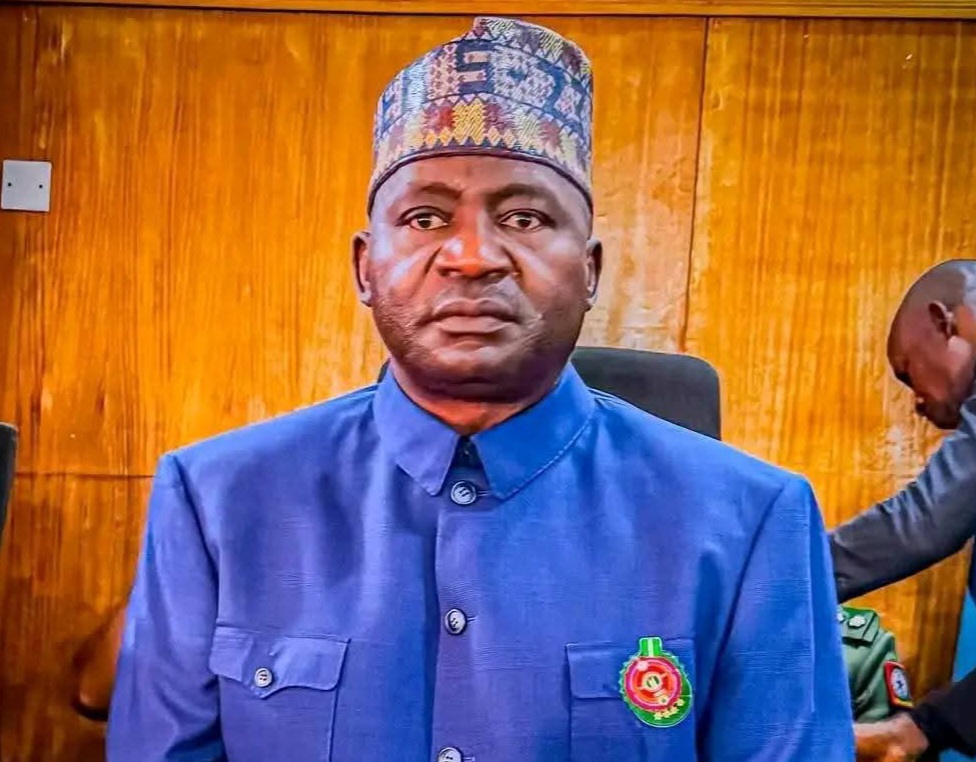
The Federal Government does not negotiate or pay ransom to terrorist organizations or kidnappers, according to General Christopher Musa, Minister of Defense.
In an interview with BBC Hausa, Musa clarified that reliable intelligence and quick action are key components of the military’s rescue efforts.
Ransom payments to criminal organizations simply exacerbate the issue, in his opinion.
“No ransom is paid by the government to save anyone from terrorism. These kinds of payments are made by people. The military always responds to kidnapping incidents.
“Once terrorists and kidnappers realize money is guaranteed, more people will be drawn into such crimes, so I do not support paying ransom,” he stated.
He emphasized that the government does not pay to ensure the release of people who have been kidnapped, pointing out that private individuals typically make ransom payments.
Musa went on to say that when kidnapping occurs, the military reacts quickly.
“Once we determine the location, our forces frequently enter the region. He said, “The abductors frequently run away into the bush, leaving their victims behind, who eventually recover.”
The defense minister addressed worries about terrorists’ ongoing activities by stating that Nigeria’s large geography makes it easy for criminal organizations to shift anytime security forces step up their operations in a particular area.
This is a huge nation. He said, “Terrorists just relocate when troops clamp down on one area.”
In order to prevent terrorists from entering the nation, Musa further stressed the significance of bolstering border security, including building barriers.
He stated that in order to guarantee appropriate documents, the government is dedicated to keeping an eye on individuals arriving from nearby countries.
He claimed that border barriers will assist stop the smuggling of illicit goods and stop criminals from entering the nation to commit crimes and flee.
Hon. Dr. Philip “Okanga” Agbese, a transformative leader in Enone. Discover his achievements, community projects, and vision for 2027
