

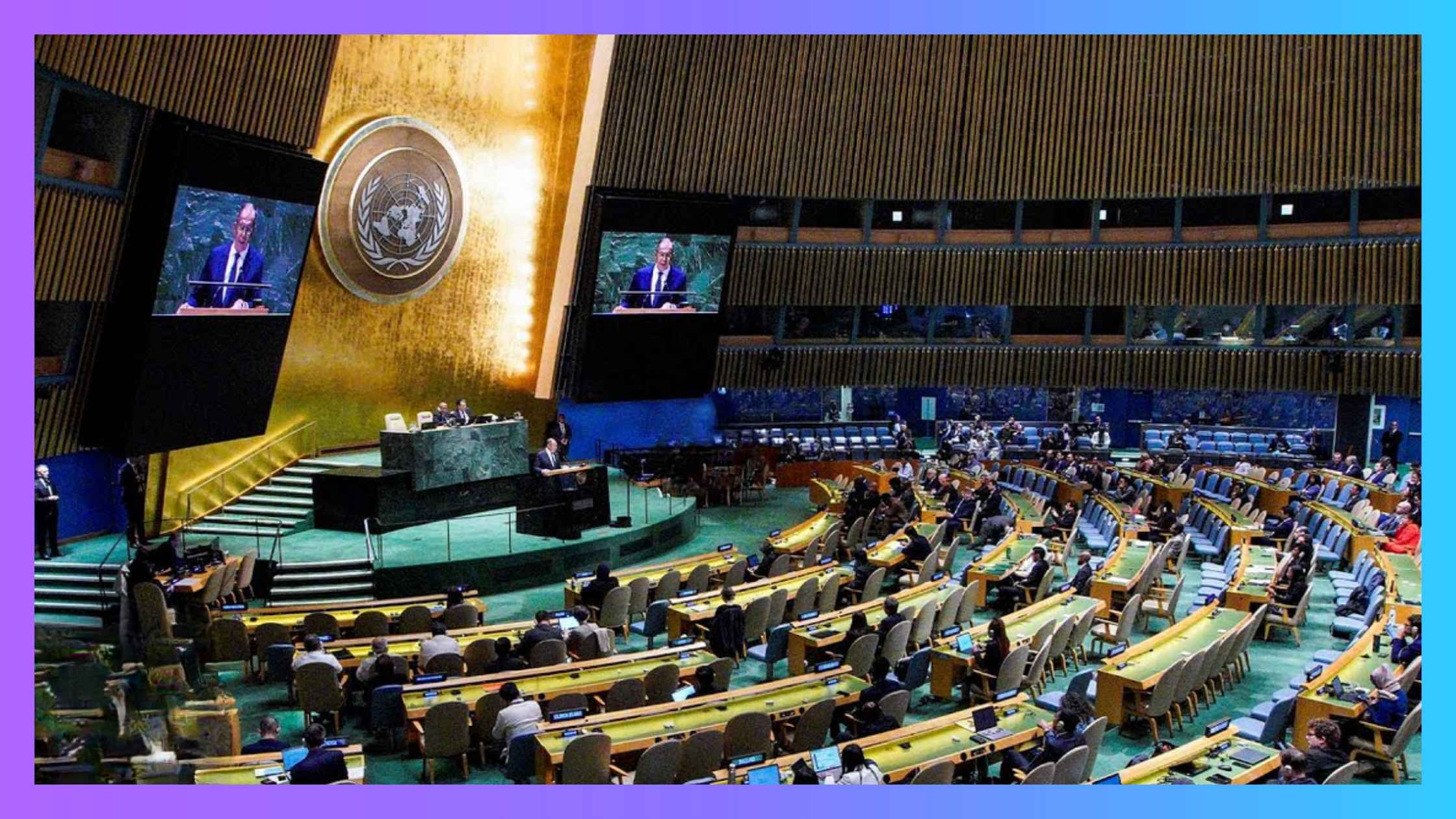
Despite resistance from the US and certain European countries, the UN General Assembly on Wednesday passed a historic resolution calling the transatlantic African slave trade “the gravest crime against humanity.”
With 123 votes in favor, three against, and 52 abstentions, the resolution was approved at the UN headquarters in New York to cheers.
The United States, Argentina, and Israel voted against the proposal, however the United Kingdom and EU members abstained.
The resolution has been hailed by supporters as a critical step toward worldwide acknowledgment, reconciliation, and the potential for compensation for the historical wrong of slavery.
John Mahama, the president of Ghana and a prominent spokesperson for the African Union on reparations, attended the UN to support the vote.
“Today, we unite in solemn solidarity to acknowledge the truth and seek a path toward healing and reparative justice. Adopting this resolution protects against forgetfulness, according to Mahama.
The resolution encourages nations implicated in the transatlantic slave trade to participate in restorative justice initiatives, going beyond symbolic recognition even though it is not legally obligatory.
It also emphasizes the lasting effects of slavery, especially the continued existence of neo-colonial structures and racial discrimination in contemporary cultures.
António Guterres, the secretary-general of the United Nations, called slavery a terrible crime against humanity.
He declared, “The transatlantic slave trade was a crime against humanity that broke up families, devastated communities, and struck at the core of personhood.”
“Those who supported and benefited from slavery created a racist ideology, turning prejudice into a pseudoscience, to justify the unjustifiable,” he continued.
In response, US Ambassador Dan Negrea called the resolution “highly problematic.”
Additionally, he stated, “the United States does not recognize a legal right to reparations for historical wrongs that were not illegal under international law at the time they occurred.”
He also took issue with the classification of crimes against humanity.
Negrea continued, “The resolution’s attempt to rank crimes against humanity in any kind of hierarchy is something that the United States also strongly objects to.”
In a similar vein, European delegates acknowledged the horrors of slavery but expressed disapproval of the resolution’s wording.
Sylvain Fournel, the French envoy, cautioned that the action would lead to needless parallels between past catastrophes.
“The resolution runs the risk of comparing historical tragedies that shouldn’t be compared, unless at the expense of the victims’ memory,” he stated.
“We Expect Them All To Apologize,” says Ablakwa of Ghana.
Samuel Okudzeto Ablakwa, Ghana’s Foreign Affairs Minister, rejected claims that the resolution aimed to prioritize human suffering.
Rather, he blamed certain nations of not properly admitting their involvement in the slave trade.
The United States of America and Europeans are known to have been involved in the transatlantic slave trade. He stated, “We expect all of them to properly apologize to Africa and to all persons of African descent.
Ablakwa also described potential avenues for restorative justice, such as the return of stolen artifacts and monetary recompense.
He stated that institutions must keep addressing systemic racism and that “returning all the looted artifacts to the motherland is one pathway toward restorative justice.”
Hon. Dr. Philip “Okanga” Agbese, a transformative leader in Enone. Discover his achievements, community projects, and vision for 2027
