

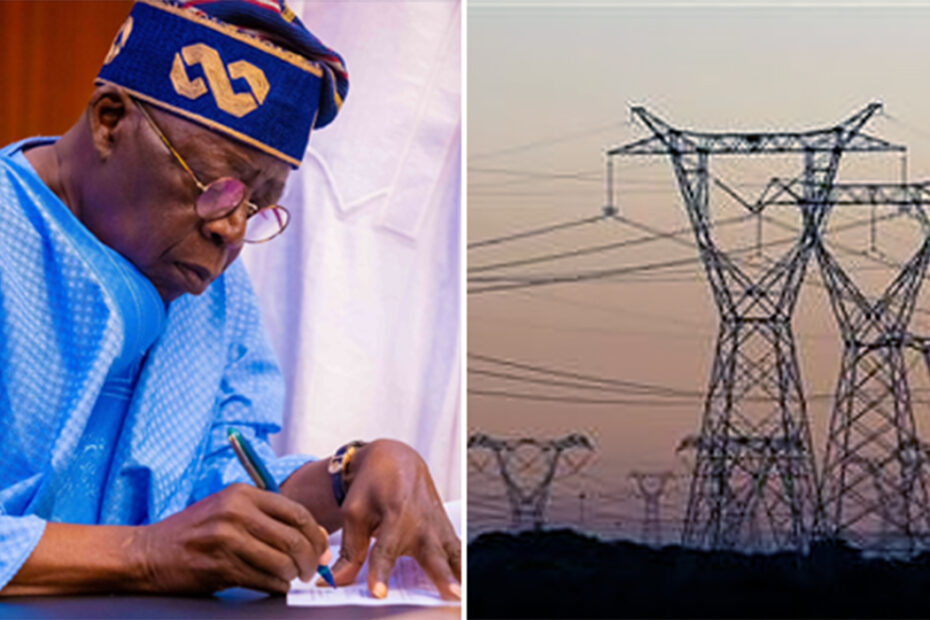
Under the Presidential Power Sector Financial Reforms Program, President Bola Tinubu has authorized a N3.3 trillion payment plan to pay off outstanding debts.
Following a comprehensive assessment of legacy debts that have afflicted Nigeria’s power industry for over ten years, the repayment plan was implemented.
Presidential Spokesperson Mr. Bayo Onanuga made this announcement on Sunday.
the debts incurred throughout the power value chain between February 2015 and March 2025.
After verification, a full and final payment of N3.3 trillion was agreed upon to guarantee a just, open, and reliable settlement of the liabilities.
According to the Presidency, 15 power producing companies have already signed settlement agreements totaling N2.3 trillion, indicating that the plan’s implementation has begun.
N501 billion has already been obtained by the Federal Government to fund the program’s first wave of payouts.
N223 billion of the funds raised have been distributed to recipients, and more payments are now being made.
According to the presidency, the intervention would promote more reliable electricity generation across the country and increase liquidity throughout the power value chain.
It further stated that increased financing will enable power plants to continue operating, improving the dependability of the supply of electricity to residences and commercial buildings.
According to Onanuga, the reforms would also increase investor confidence, draw in fresh capital, and generate employment opportunities throughout the industry.
The initiative, according to Olu Arowolo-Verheijen, Special Advisor to the President on Energy, is essential to rebuilding trust in the power industry.
“Restoring confidence throughout the power sector and ensuring the system operates more reliably are the goals of this program, which goes beyond simply paying off legacy debts.”
She clarified that the effort will guarantee payment to gas providers and facilitate the effective and sustainable operation of power plants.
According to Arowolo-Verheijen, the changes are a part of larger initiatives that also include better metering and service-based rates that are connected to the quality of the electricity supply.
“It is a component of broader reforms to increase efficiency and accountability, such as better metering and tariffs linked to service delivery.”
In order to promote economic expansion and job creation, she continued, the government was giving power supply to businesses, small firms, and industries top priority.
The overarching goal, she says, is to increase support for businesses across the country and provide homes with more dependable electricity.
“The objective is straightforward: stronger support for businesses, more dependable power for homes, and a system that functions better for all Nigerians,” she stated.
Tinubu praised stakeholders for helping to advance ongoing reforms and find solutions to long-standing problems in the industry.
Additionally, he affirmed that the program’s second phase, known as Series II, will begin this quarter.
Hon. Dr. Philip “Okanga” Agbese, a transformative leader in Enone. Discover his achievements, community projects, and vision for 2027
