

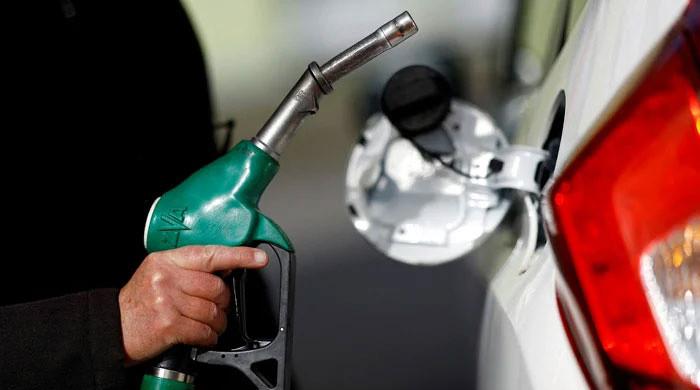
The cost of refined petroleum products in international markets has been pushed up by a sharp rise in global crude oil prices and this could put renewed pressure on petrol prices in Nigeria.
The rise in prices is related to rising geopolitical tensions and major supply disruptions that have returned the global oil market to a period of increased volatility.
The price of crude oil has risen to its highest level since 2022, leading to fresh increases in the cost of petrol, diesel and aviation fuel around the world.
The rally, say industry analysts, is largely due to rising tensions in the Middle East along with tightening supply conditions in key oil-producing regions.
These developments are already feeding through to higher prices of refined petroleum products in global markets.
Crude oil, the primary input for petrol production, has been on a steady upward trend over recent weeks, following the effective shutdown of the Strait of Hormuz, a key shipping route through which nearly one‑fifth of global crude oil supplies are transported.
The disruption has stranded several oil tankers, further constricting supply and increasing pressure on prices.
This has pushed the average global price of petrol to around $1.5 per litre, a reflection of continued pressure from high crude oil prices and persistent geopolitical risks.
Although Nigeria runs a deregulated fuel pricing regime, it is still one of the lowest-priced petrol markets in the world where PMS is sold at around $0.9 per litre.
However, energy analysts warn that sustained volatility in global crude oil prices could eventually push domestic pump prices higher.
They point out that Nigeria’s current pricing advantage has been aided by better local supply conditions, especially increased output from the Dangote Petroleum Refinery, which has helped to stabilise fuel supply and cushion the immediate impact of rising international oil prices.
High fuel prices persist in advanced economies.
In Hong Kong, petrol costs about $4.2 per litre, one of the world’s most expensive markets.
Netherlands ($2.7/litre), Switzerland ($2.4), France ($2.3) and the United Kingdom ($2.1/litre) are other high-priced markets.
Across Africa, several countries are also struggling with high fuel prices due to heavy import dependence and currency pressures.
Malawi has one of the world’s highest petrol prices at about $3.8 per litre compared to Morocco where it sells at about $1.7 per litre.
Prices in Seychelles, Kenya and Cameroon are close to $1.5 per litre, while Ghana, Lesotho and South Africa average around $1.4 per litre.
Hon. Dr. Philip “Okanga” Agbese, a transformative leader in Enone. Discover his achievements, community projects, and vision for 2027
